Volunteer Opportunities in Ontario: Your 2026 Guide
TL;DR:
- Volunteer opportunities in Ontario cater to residents of all ages seeking community service roles that match their skills and schedules. These include food banks, environmental projects, healthcare support, arts events, advisory committees, and youth programs like Canada Service Corps and Ottawa Youth Service Year, along with virtual roles for busy individuals. To find the right fit, volunteers should evaluate their interests and availability, use regional centers and online platforms, and start with trial shifts, ensuring they understand legal requirements such as background checks and onboarding procedures.
Volunteer opportunities in Ontario connect residents with causes that match their skills, interests, and schedules, making meaningful community service accessible to nearly everyone. Ontario’s nonprofit sector spans food banks, environmental projects, health care, arts organizations, and civic advisory committees. Programs like Canada Service Corps, Ontario Corps, and Volunteer Ottawa support residents at every stage of life, from teenagers to retirees. Whether you have two hours a month or two days a week, a role exists that fits your life. Volunteering builds transferable skills and expands your social network while connecting you to civic decision-making in your own community.
What are the top volunteer opportunities available across Ontario?
Ontario offers one of the widest ranges of community service options in Canada. The sectors below cover the most active and accessible areas for new volunteers.
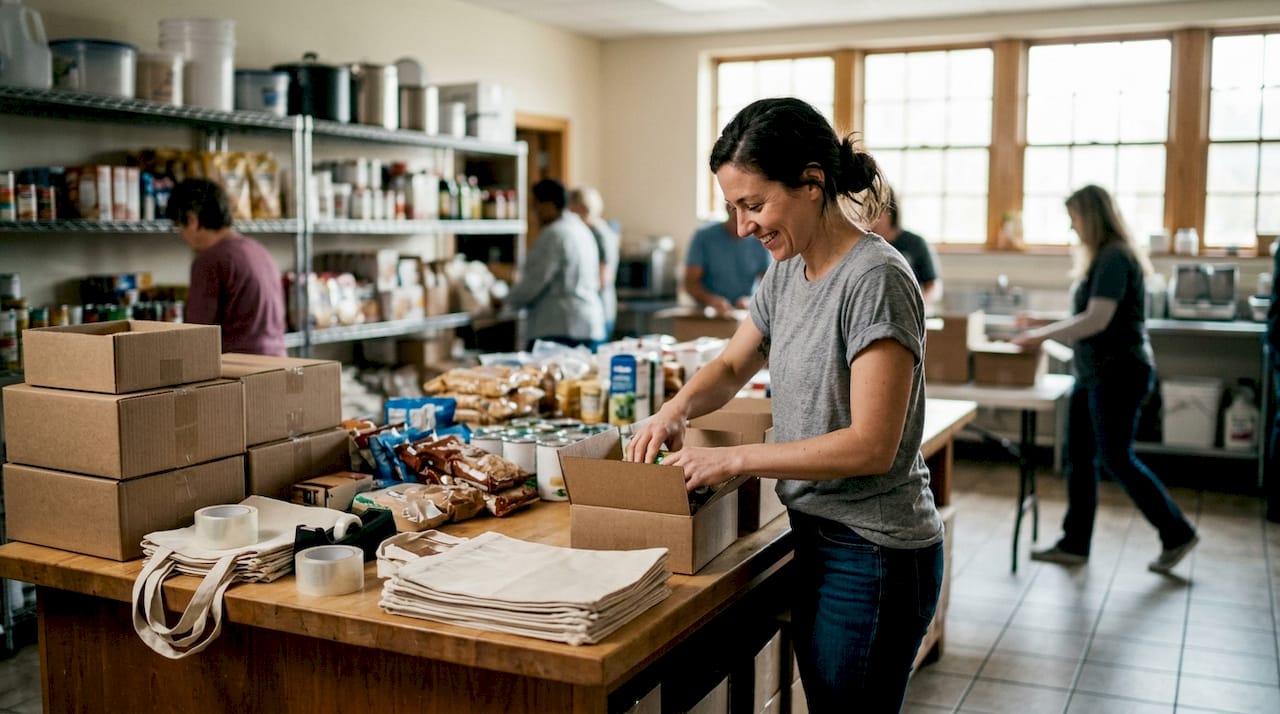
Food banks and shelters are the most immediate entry point for most people. Organizations like the Ottawa Food Bank and local Salvation Army branches need regular help with sorting donations, serving meals, and client intake. Shifts are often short and require no prior experience.
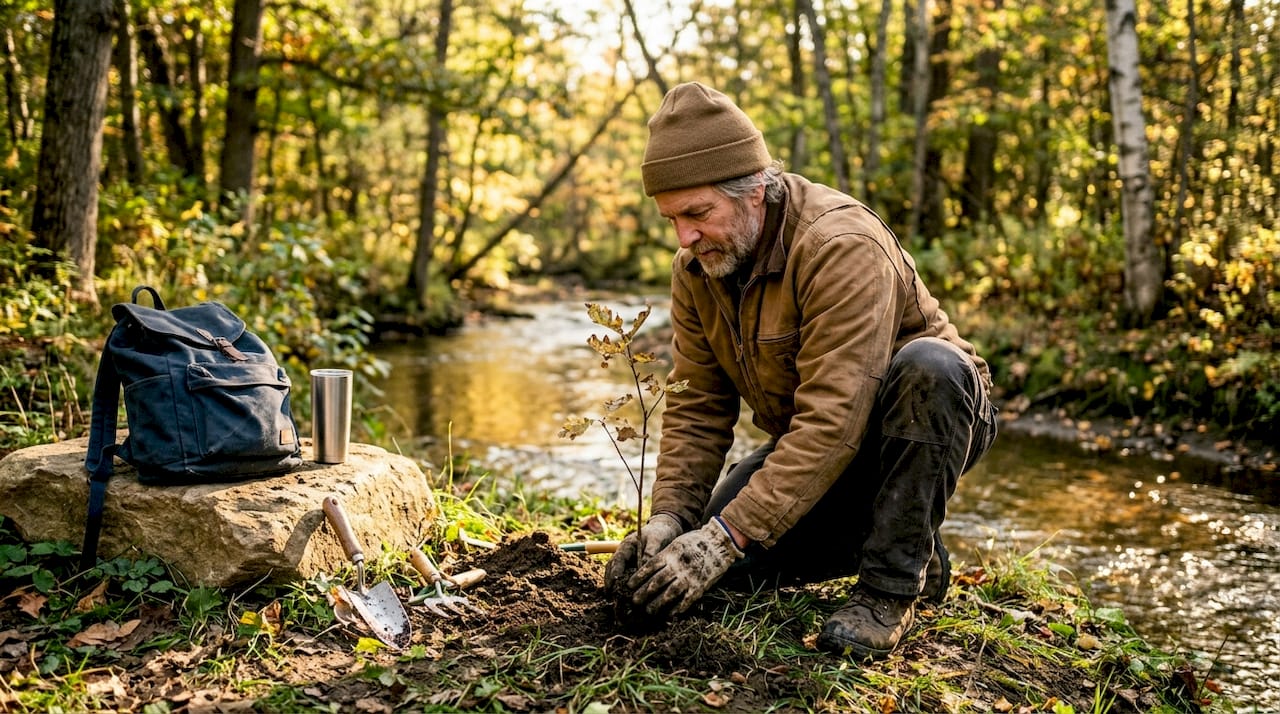
Environmental and conservation projects attract volunteers who want hands-on outdoor work. Groups focused on trail maintenance, invasive species removal, and shoreline cleanups operate across the province from april through october. Conservation Authorities in regions like Halton, Toronto, and Grand River coordinate most of this work.
Health care and hospital support roles include patient navigation, administrative help, and companion visiting programs. These positions often require a Vulnerable Sector Check, so plan ahead.
Arts and cultural events need volunteers for festivals, gallery openings, and community theater productions. These roles suit people who want flexible, one-time commitments rather than ongoing schedules.
Civic and advisory committees at the municipal level welcome residents who want to influence local policy on housing, transit, or parks. Most municipalities post open calls for committee members on their official websites.
Youth-specific programs stand out for their structure and impact. Ontario residents aged 12–30 can participate in Canada Service Corps, which offers micro-grants for youth-led service projects and formal volunteer placements. The Ottawa Youth Service Year offers a full-time, paid volunteer placement for recent high school graduates aged 17–19, running eight months from september 2026 through june 2027 for the 2026–2027 cohort. That structure gives young people real work experience while serving the community.
Virtual and micro-volunteering roles are available for people with tight schedules. Roles taking less than an hour include online mentorship, digital outreach, and administrative support. These options work especially well for professionals who want to contribute without a recurring weekly commitment.
- Food banks and meal programs
- Environmental cleanups and trail maintenance
- Hospital and health care support
- Arts festivals and cultural events
- Municipal advisory committees
- Canada Service Corps and Ottawa Youth Service Year
- Virtual mentorship and micro-volunteering
Pro Tip: Attend a single event or shift before committing to a recurring role. One afternoon at a food bank tells you more about the work than any website description.
How to find and choose the right volunteer opportunity in Ontario
Finding the right fit takes a few deliberate steps. Rushing into the first available role often leads to burnout or a poor match.
-
Identify your interests and availability. Clarify your personal interests and time availability before contacting any organization. Decide whether you prefer a few hours a month, weekend shifts, or seasonal involvement. That clarity makes every conversation with a coordinator faster and more productive.
-
Search through volunteer centers. Volunteer Ottawa, Volunteer Toronto, and similar regional centers maintain updated listings of open roles. These centers also offer matching services that connect your skills to specific organizational needs.
-
Check community boards and local publications. Libraries, community centers, and local newspapers post volunteer calls that never appear on major platforms. These listings often represent smaller organizations with the most immediate needs.
-
Use online platforms. National platforms that aggregate nonprofit postings list hundreds of Ontario roles by region, cause, and time commitment. Filter by city and sector to narrow results quickly.
-
Attend local events and meetings. Observing local meetings or subscribing to newsletters helps you identify real community needs before you formally commit. Showing up once as an observer is a low-risk way to assess whether an organization’s culture suits you.
-
Ask about accessibility and screening requirements upfront. Some roles require a police check or specific training. Knowing this early prevents wasted time on both sides.
-
Start with a trial shift. Getting involved is an iterative process: research options, attend events to observe, then follow up or shift focus if the role does not feel right. Starting small and staying consistent produces more lasting impact than a single large effort.
Pro Tip: Call the volunteer coordinator directly instead of emailing. A five-minute phone call reveals the organization’s culture and urgency far better than any written description.
What practical requirements should volunteers know about in Ontario?
Several requirements apply to specific volunteer roles in Ontario. Knowing them in advance prevents delays and disappointment.
- Vulnerable Sector Check: Many Ontario organizations require this check when you work with children, seniors, or people in health care settings. Processing times vary by local police service and can take several weeks. Apply early.
- Standard police record check: Roles without vulnerable population contact may still require a basic criminal record check. Confirm the specific type required before applying.
- Training and orientation: Most organizations run a mandatory orientation session before your first shift. These typically last two to four hours and cover safety, confidentiality, and role expectations.
- Scheduling flexibility: Many programs offer on-call, seasonal, or single-event formats. Ontario Corps allows residents over 16 to register for emergency support without any long-term commitment, mobilizing volunteers only when emergencies occur. That model suits people who want to help but cannot commit to a fixed schedule.
- Virtual volunteering: Micro-volunteering and virtual roles enable busy professionals and people with mobility constraints to contribute without leaving home. Common tasks include data entry, social media management, and online tutoring.
- Accommodation requests: If you have a disability or scheduling constraint, communicate it upfront. Most organizations actively work to accommodate volunteers and will adjust role requirements when possible.
How volunteer programs support different community segments in Ontario
Ontario’s volunteer sector does not take a one-size-fits-all approach. Programs are structured to meet the specific needs of different groups.
Youth (ages 12–30) have the most structured options. Canada Service Corps provides micro-grants for youth-led projects and formal placements across the country. The Ottawa Youth Service Year targets graduates aged 17–19 with a paid, eight-month full-time placement. Both programs build leadership skills and provide references that carry real weight with employers and post-secondary institutions.
Working professionals benefit most from skills-based volunteering. Roles in legal aid clinics, nonprofit board service, financial literacy programs, and communications support let professionals apply their existing expertise directly. These roles typically require four to eight hours per month and can often be done remotely.
Retirees bring deep experience and often have the most flexible schedules. Mentorship programs, literacy tutoring, and hospital companion visiting are common fits. Many retirees find that a consistent weekly role provides social connection alongside community impact.
Families can volunteer together through environmental cleanups, food drives, and cultural festivals. Family-friendly roles require no prior experience and work well as one-time weekend activities that introduce children to civic participation.
Newcomers to Ontario benefit from volunteer roles that build local networks and Canadian work references. Many settlement agencies offer orientation resources specifically for newcomers entering the volunteer sector. Volunteering also accelerates language practice and cultural familiarity in a low-pressure setting.
| Audience | Best-fit volunteer type | Key benefit |
|---|---|---|
| Youth (12–30) | Canada Service Corps, Ottawa Youth Service Year | Leadership skills, paid placements |
| Working professionals | Skills-based, board service, remote roles | Apply expertise, flexible hours |
| Retirees | Mentorship, tutoring, companion visiting | Social connection, consistent schedule |
| Families | Cleanups, food drives, festivals | Shared experience, civic introduction |
| Newcomers | Settlement agency programs, community events | Local networks, Canadian references |
Key Takeaways
The most effective approach to volunteering in Ontario is to match your specific skills and availability to a role before committing, then treat the first engagement as a trial rather than a permanent decision.
| Point | Details |
|---|---|
| Start with self-assessment | Identify your interests and weekly availability before contacting any organization. |
| Use regional volunteer centers | Volunteer Ottawa and similar centers offer matching services that save significant search time. |
| Plan for screening requirements | Apply for a Vulnerable Sector Check early, as processing can take several weeks. |
| Try micro-volunteering first | Virtual roles under one hour suit busy schedules and serve as a low-risk entry point. |
| Match programs to your life stage | Youth, professionals, retirees, and newcomers each have tailored programs with distinct benefits. |
Why I think most people approach volunteering backward
Most people search for a volunteer role the same way they search for a product: they browse listings, pick something that sounds good, and sign up. That approach almost always leads to a mismatch within the first month.
What actually works is starting with a brutally honest look at your own schedule and energy. Not the schedule you wish you had, but the one you actually live. If you can realistically give three hours every other Saturday, say that out loud before you talk to anyone. Organizations respect honesty far more than enthusiasm that disappears by week four.
The second mistake I see constantly is treating the first role as permanent. Volunteering should be viewed as an exploratory process, not a one-time decision. I have spoken with coordinators who say their most reliable long-term volunteers tried two or three different roles before finding the right fit. That trial period is not failure. It is how the system is supposed to work.
Small, consistent contributions also outperform occasional large efforts by a wide margin. Showing up for two hours every week for a year does more for an organization than a single weekend blitz. It also does more for you. Relationships, skills, and community trust all build through repetition, not intensity.
Finally, use the local resources that most people overlook. Regional volunteer centers, library bulletin boards, and municipal newsletters surface opportunities that never reach national platforms. The best roles are often the least advertised.
— Ken
Legal documents volunteers sometimes need in Ontario
Volunteering occasionally involves paperwork that requires official notarization. Consent letters for minors participating in programs, affidavits confirming identity or residency, and statutory declarations for certain organizational requirements all fall into this category. Getting these documents notarized quickly and correctly matters when an organization has a deadline.

Theonlinenotary provides online notarization services for affidavits, consent letters, statutory declarations, and solemn declarations, available 24/7 without an in-person appointment. If a volunteer organization asks you to produce a notarized consent letter or another legal document, Theonlinenotary handles the process entirely online so you can meet the requirement without disrupting your schedule.
FAQ
What are the most common volunteer opportunities in Ontario?
Food banks, environmental cleanups, hospital support, arts festivals, and civic advisory committees are the most widely available roles. Virtual and micro-volunteering options also exist for people with limited time.
How do I start volunteering in Ontario with no experience?
Identify your interests and available hours first, then contact a regional volunteer center like Volunteer Ottawa for a matched placement. Starting with a single trial shift is the most effective way to assess fit before committing.
Do Ontario volunteers need a background check?
Roles involving children, seniors, or health care settings require a Vulnerable Sector Check, which can take several weeks to process. Other roles may require only a standard police record check or no check at all.
What volunteer programs exist specifically for youth in Ontario?
Canada Service Corps accepts residents aged 12–30 and offers micro-grants for youth-led projects. The Ottawa Youth Service Year provides a paid, eight-month full-time placement for graduates aged 17–19.
Can I volunteer in Ontario without a long-term commitment?
Ontario Corps allows residents over 16 to register for on-call emergency support with no recurring schedule required. Micro-volunteering roles taking under an hour are also widely available through nonprofit organizations across the province.