How to notarize a will in Ontario: step-by-step legal guide
TL;DR:
- Notarization is not legally required for a will to be valid in Ontario, proper witnessing suffices.
- Notarization offers additional validation useful in contested cases or international asset situations.
- Creating a valid will involves meeting specific legal requirements, with careful signing and witness protocols.
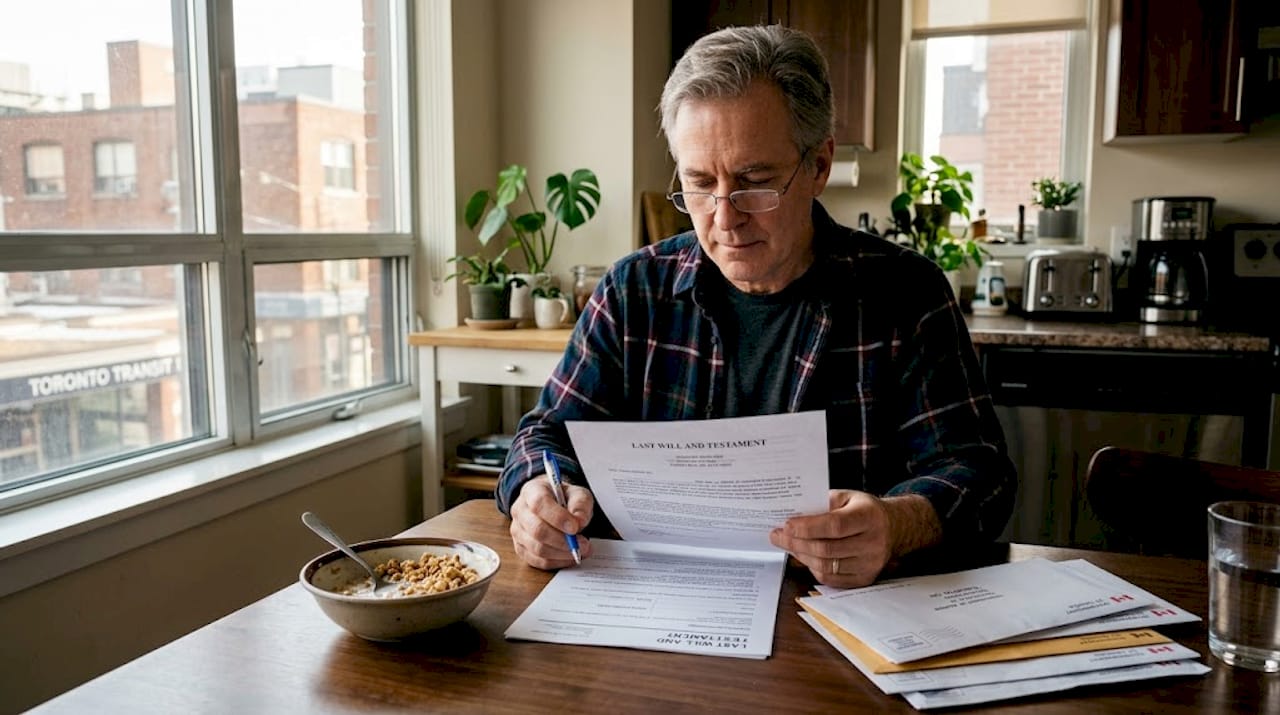
Many Ontario residents assume that notarizing a will is a legal requirement, but that belief is simply not accurate. Notarization is not required for a will to be legally valid in Ontario. Legal validity comes from meeting specific requirements under the Succession Law Reform Act, not from a notary’s stamp. That said, notarization can still play a genuinely useful role in estate planning. This guide walks you through what actually makes a will legal in Ontario, when notarization adds real value, and exactly how to create, sign, and safeguard a will that holds up.
Table of Contents
- Understanding will validity in Ontario
- When notarization is useful (but not required)
- Step-by-step guide to creating and signing a will
- Troubleshooting and validating your will
- Expert perspective: what most people get wrong about notarizing wills
- Connect with trusted notary services for extra assurance
- Frequently asked questions
Key Takeaways
| Point | Details |
|---|---|
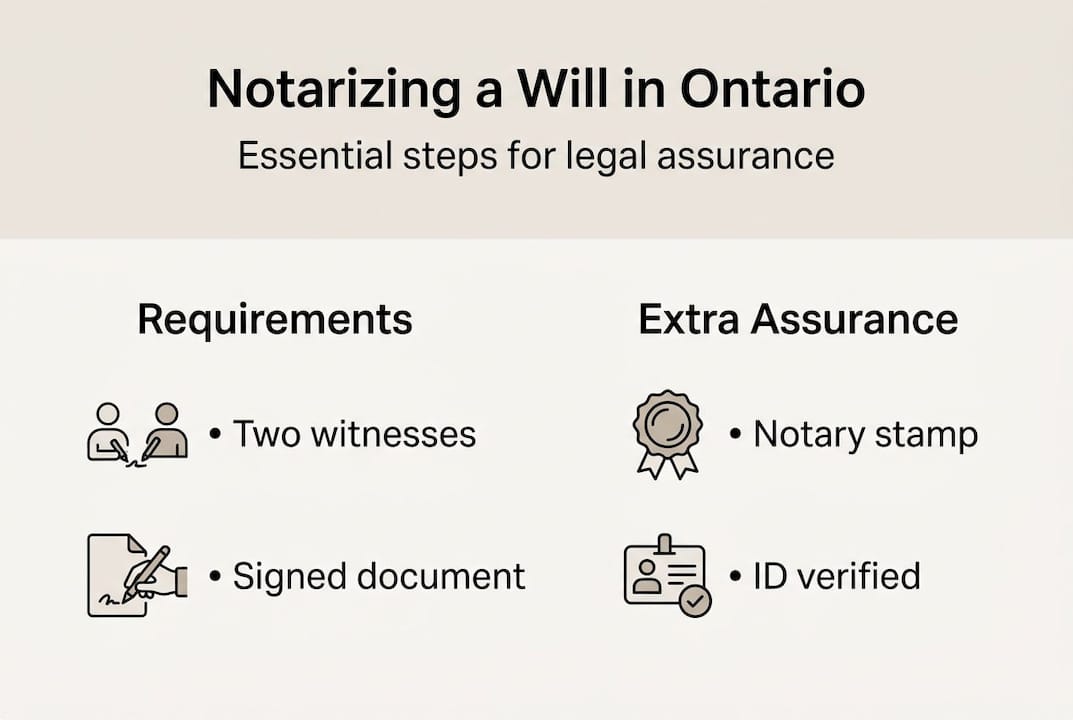
| Legal validity basics | A will in Ontario is valid if signed with two qualified witnesses under SLRA, not because it’s notarized. |
| Notarization is optional | Notarizing your will can add legal assurance or speed up probate, but it is never legally required. |
| Remote witnessing allowed | Ontario permits remote witnessing with at least one lawyer or paralegal as a witness and handwritten signatures only. |
| Court validation possible | Ontario courts may validate non-compliant wills if your final intent is clear, thanks to recent law changes. |
| Avoid common mistakes | Mistakes like using improper witnesses or missing signatures can be fixed, but prevention is easier than correction. |
Understanding will validity in Ontario
Before anything else, let’s set the record straight about what Ontario law actually demands. A valid will does not need a notary. What it does need is strict compliance with the Succession Law Reform Act, commonly called the SLRA. The SLRA is Ontario’s governing legislation for wills and estates, and it spells out every condition a will must meet to be enforceable after you pass.
What the SLRA requires
Under the SLRA, a valid formal will in Ontario must satisfy all of the following:
- The testator must be at least 18 years old. There are narrow exceptions for married individuals or members of the military, but for most people, 18 is the floor.
- The testator must have testamentary capacity. This means you must understand what a will is, what assets you own, who your natural heirs are, and how your choices affect them.
- The will must be in writing. Verbal wills (called nuncupative wills) are not valid for most Ontario residents.
- The testator must sign at the end of the document. The signature must appear at the physical end of the will, not just somewhere on the page.
- Two witnesses must be present when the testator signs, and both must sign in the testator’s presence immediately after.
- Witnesses cannot be beneficiaries or the spouses of beneficiaries. If a beneficiary witnesses the will, they may lose their inheritance even if the will itself remains valid.
That last point catches a lot of people off guard. It seems logical to have a trusted family member witness your will, but if that person stands to inherit from your estate, their witness signature creates a serious legal problem. For a clear breakdown of who can witness in Ontario, it helps to review the rules carefully before signing day.
A side note on holographic wills
Ontario also recognizes holographic wills. These are wills entirely handwritten and signed by the testator, with no witnesses required. While they are a simpler option, they carry higher risk. Any portion that is not in the testator’s own handwriting, such as a printed form with filled-in blanks, can void the whole document. Most estate lawyers recommend a formal witnessed will for clarity and security.
Important: A will that is unsigned or witnessed by a beneficiary’s spouse does not automatically become void under newer SLRA amendments, but courts must step in to evaluate it. That process is costly, slow, and stressful for your loved ones.
Here is a quick comparison of will types in Ontario:
| Will type | Written requirement | Witnesses required | Notarization required |
|---|---|---|---|
| Formal will | Yes | 2 (non-beneficiary) | No |
| Holographic will | Entirely handwritten | None | No |
| Notarized will | Yes | 2 (non-beneficiary) | Optional |
The takeaway is clear. Notarization sits entirely outside Ontario’s legal validity requirements. It adds a layer of assurance, but it is never the thing that makes or breaks your will’s legal standing.
When notarization is useful (but not required)
Once your will meets all the SLRA requirements, you have a legally valid document. Full stop. But that does not mean notarization has nothing to offer. Many estate planners, lawyers, and notaries in Ontario recommend considering it anyway, particularly in situations where disputes are likely or where added authentication gives your family peace of mind.
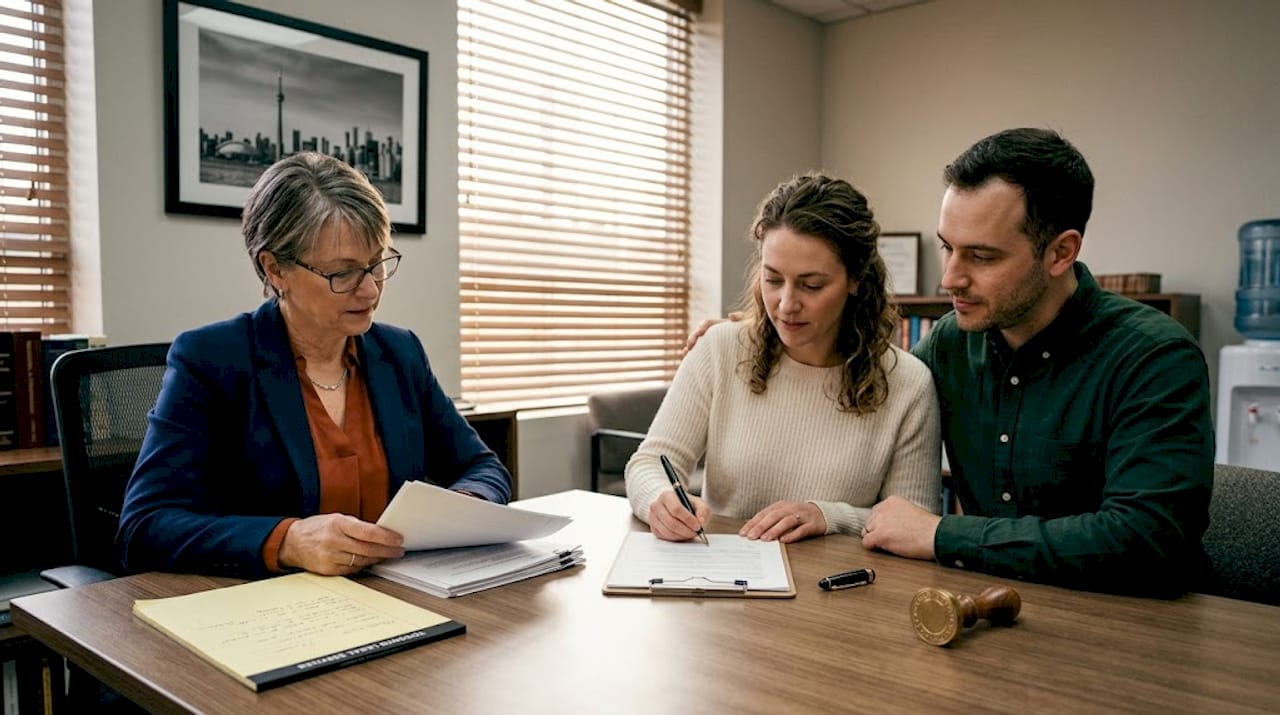
Primary validity comes from SLRA witnessing, not from notarization. A notary adds an optional proof layer. Think of it like wearing a seatbelt and also having airbags. The seatbelt is the legal requirement. The airbags are the notary stamp. You hope you never need either in a serious way, but having both reduces risk considerably.
Scenarios where notarization genuinely helps
- Your will might be contested. If family dynamics are complicated or you have reason to believe someone may challenge your will’s authenticity, a notary’s signature confirms that the document was signed voluntarily and by someone who appeared to be of sound mind.
- You hold assets internationally. Foreign countries sometimes require notarized documents when processing estates. A notarized Ontario will is far more likely to be recognized abroad.
- You want smoother probate. While notarization does not replace the probate process, a clearly authenticated will can reduce back-and-forth with the court during estate administration.
- Your witnesses are elderly or difficult to locate. If tracking down witnesses later becomes necessary for verification, a notarized record provides independent confirmation of the signing event.
- You want a certified copy for safekeeping. Notaries can certify true copies of your will, which is useful when you need to share the document without surrendering the original.
If any of these situations apply to you, learning how to notarize a will in Ontario is a smart next step. You can also use a document authentication guide to understand how authentication and notarization differ, since they serve different purposes.
Pro Tip: If there is any chance your will could be contested, notarizing it is one of the lowest-cost, highest-impact steps you can take. A single appointment with a notary is far less expensive than the legal fees involved in a will dispute.
Here is how notarized and non-notarized wills compare in practical terms:
| Feature | Witnessed only | Notarized |
|---|---|---|
| Legally valid in Ontario | Yes | Yes |
| Required for probate | No | No |
| Useful for international assets | Limited | Strong |
| Helps if will is contested | Moderate | Strong |
| Creates a certified record | No | Yes |
| Additional cost | None | Moderate |
Step-by-step guide to creating and signing a will
Now that you understand both the legal requirements and the optional notarization benefits, let’s walk through the actual process of creating and signing a valid Ontario will. This is where many people stumble, not because the steps are difficult, but because small mistakes in execution can have large consequences.
The process, step by step
-
Decide what you want your will to cover. List your assets, name your beneficiaries, designate an estate trustee (sometimes called an executor), and think through any special conditions or gifts you want to include. Clarity here prevents ambiguity later.
-
Write or have your will professionally drafted. You can write a formal will yourself, use a reputable online will-drafting platform, or hire an estate lawyer. Complex estates, blended families, and business ownership situations strongly benefit from legal drafting.
-
Review every line before signing. Read the entire document. Make sure every name, address, asset description, and condition is accurate. Any corrections should be made before signing. Handwritten corrections to a typed will after signing can raise questions about authenticity.
-
Choose your two witnesses carefully. Both must be adults. Neither can be a beneficiary or the spouse of a beneficiary. They should be people who can be reached later if verification is needed, such as coworkers, neighbors, or friends with no claim to your estate.
-
Sign at the end of the document in front of both witnesses simultaneously. Both witnesses must be physically or virtually present at the same moment you sign. They then sign immediately after, in your presence.
-
For remote witnessing, ensure at least one witness is a licensed Ontario lawyer or paralegal. Since 2022, remote witnessing is permitted permanently under Bill 245. However, at least one of the two witnesses must be a lawyer or paralegal licensed by the Law Society of Ontario. The second witness can participate virtually from a different location, but all parties must be live on the same video call during signing.
-
Use handwritten signatures only. This is critical. Electronic signatures are not permitted for wills in Ontario, regardless of how the will was drafted. Even if you type your will on a computer, the signatures must be handwritten in ink. Understanding electronic signature rules for other documents can be helpful, but wills follow a stricter standard.
-
Store your will securely and tell your estate trustee where to find it. A will no one can find is nearly as bad as no will at all. Consider registering it with the Ontario will registry, storing it with your lawyer, or placing it in a secure location your estate trustee knows about.
Pro Tip: Prepare a signing checklist and share it with your witnesses at least a day in advance. Confirm the time and location, remind them to bring ID, and clarify that they cannot be beneficiaries. Preparation eliminates last-minute confusion that could compromise your signing session.
Troubleshooting and validating your will
Even careful people make mistakes. A beneficiary is accidentally named as a witness. A page is missing a signature. The testator’s name is misspelled throughout. These errors do not always mean starting over, but they do mean taking action before it is too late.
Common mistakes to watch for
- Wrong witnesses. This is the most frequent problem. A beneficiary, or their spouse, signing as a witness does not automatically void the will under recent SLRA amendments, but it may strip that person of their inheritance.
- Signing before witnesses arrive. Both witnesses must observe the testator’s actual signature. If you sign first and show them the completed signature, the will may be invalid.
- Missing the signature at the end. Initialing pages is helpful but does not substitute for a full signature at the document’s closing.
- Unclear or contradictory language. Phrases like “I give my property to my kids equally” create problems when one child predeceased you or when “property” could mean multiple things.
- Failing to update after major life events. Marriage, divorce, the birth of children, and the death of a named beneficiary all affect your will’s effect. Ontario law revokes a will upon marriage unless the will was made in contemplation of that specific marriage.
What courts can do when things go wrong
The good news is that Ontario courts have flexibility under newer SLRA provisions. Courts can validate non-compliant documents as wills if they clearly express the testator’s fixed and final testamentary intent. This rule, found in section 21.1 of the SLRA since 2022, gives judges discretion to save imperfect wills from technicalities, provided the testator’s true wishes are evident.
Worth knowing: Court validation of an imperfect will is not guaranteed, and it requires a formal court application that costs money and time. It is always better to get the will right the first time.
If you are unsure whether your will is compliant, a notary or estate lawyer can review it. You might also explore resources on legalizing documents in Ontario to understand how authentication processes relate to overall document integrity.
Signs your will may need reviewing:
- It was signed more than five years ago and your circumstances have changed
- A witness is now a beneficiary or married to one
- You have acquired or disposed of significant assets since signing
- You have moved provinces or countries
- There are handwritten changes that were not properly initialed by all parties
Expert perspective: what most people get wrong about notarizing wills
Here is an uncomfortable truth that we see repeatedly in Ontario notary practice: most people who come in asking to notarize their will do so because they believe it is a legal requirement. When we explain that notarization is not required for a will to be legally valid, many are surprised, and some are frustrated that no one told them sooner.
The real mistake is not getting a notary involved. It is misunderstanding what the notary actually does. A notary cannot fix a will that was witnessed by a beneficiary. They cannot make an unsigned document valid. What they can do is confirm that a properly executed will was signed by the right person, under the right circumstances, on a specific date. That confirmation has real value in preventing disputes, especially in contested estates.
Ontario’s legal framework puts the emphasis on witnesses, not notaries, for good reason. Witnesses are present at the moment of signing and can testify to the testator’s condition and intent. A notary who reviews the document afterward adds verification but not the foundational layer that witnesses provide.
Our honest advice: focus your energy on strict compliance with the SLRA first. Get the right witnesses, sign at the right place, use handwritten signatures, and keep the language clear. Once that is done, explore Ontario notarization insights to see whether optional notarization fits your situation. Think of notarization as an upgrade, not a requirement.
Connect with trusted notary services for extra assurance
If your will is drafted and witnessed but you want an added layer of protection, professional notary services in Ontario can help confirm authenticity and prepare certified copies for your records.

The Online Notary offers reliable, accessible Ontario notary services for individuals planning their estates, whether you need document authentication, certified copies, or guidance on what notarization covers. Before you book, it is worth reviewing the Ontario public notary requirements so you know exactly what to bring and what to expect. Having a trusted notary in your corner does not replace the legal steps your will already requires. It simply makes the whole process more defensible if questions arise later.
Frequently asked questions
Is notarization legally required for a will in Ontario?
No, notarization is not required for a will to be valid in Ontario. What matters is proper witnessing under the SLRA, not a notary’s involvement.
Who can act as a witness for a will in Ontario?
Any adult who is not a beneficiary or the spouse of a beneficiary can serve as a witness. Under the SLRA requirements, both witnesses must sign in the testator’s presence immediately after the testator signs.
Can wills be remotely witnessed in Ontario?
Yes, remote witnessing is permitted permanently since 2022 under Bill 245, but at least one witness must be a lawyer or paralegal licensed by the Law Society of Ontario, and handwritten signatures are required.
What happens if my will is imperfect or doesn’t fully comply?
Ontario courts have discretion to validate non-compliant wills under s.21.1 of the SLRA if the document clearly expresses the testator’s final testamentary intent, though this involves a formal court application.
Does notarization speed up the probate process?
Notarization is not required for probate, but it adds an optional proof layer that may help confirm authenticity and reduce disputes when administering the estate.