7 Essential Tips for Exploring Ontario Nature Reserves
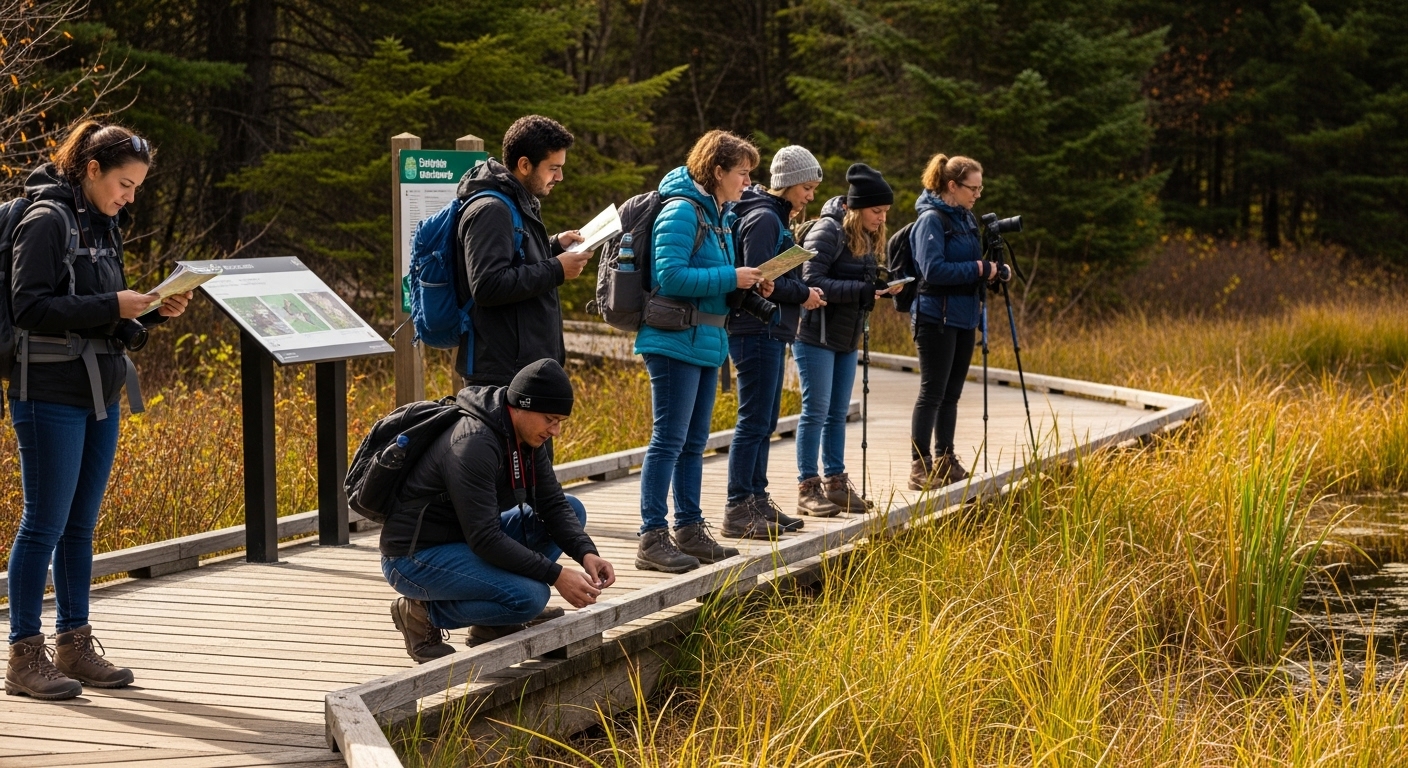
Ontario’s nature reserves are more than just pretty places to visit. They actually help protect over 30 endangered species and play a key role in preserving regional biodiversity. Most people just see forests and trails, but these reserves are living laboratories that hold together delicate ecosystems and spark real change for wildlife, science, and even climate resilience.
Table of Contents
- Understand The Importance Of Ontario Nature Reserves
- Research The Best Nature Reserves To Visit
- Prepare Adequately For Your Outdoor Adventure
- Follow Leave No Trace Principles In Nature Reserves
- Plan For Wildlife Viewing Etiquette
- Utilize Local Resources For Guided Tours
- Get Involved In Conservation Efforts
Quick Summary
| Takeaway | Explanation |
|---|---|
| Protect biodiversity through nature reserves. | Ontario nature reserves safeguard unique species and habitats essential for ecological health and genetic diversity. |
| Research nature reserves before visiting. | Understanding ecological diversity, accessibility, and amenities helps plan rewarding outdoor adventures in Ontario. |
| Prepare thoroughly for outdoor adventures. | Physical conditioning, appropriate gear, and navigation tools are key to enjoying safe explorations in natural landscapes. |
| Follow Leave No Trace principles. | Practicing environmentally responsible behaviors minimizes human impact and preserves the integrity of delicate ecosystems. |
| Get involved in conservation efforts personally. | Participating in volunteer programs and community initiatives allows individuals to actively contribute to the protection of Ontario’s natural resources. |
1: Understand the Importance of Ontario Nature Reserves
Ontario nature reserves represent critical ecosystems that protect biodiversity, preserve wildlife habitats, and provide unique opportunities for ecological research and conservation. These protected areas are more than scenic landscapes; they are living laboratories that sustain complex environmental networks essential to regional and global ecological health.
The significance of Ontario nature reserves extends far beyond aesthetic beauty. Research from Natural Resources Canada reveals these areas play a fundamental role in maintaining genetic diversity and supporting endangered species populations. By establishing strict conservation protocols, these reserves help protect vulnerable ecological systems from human interference and climate change impacts.
Key reasons why Ontario nature reserves are critically important include:
-
Biodiversity Protection: Safeguarding unique plant and animal species native to specific regional ecosystems
-
Scientific Research: Providing controlled environments for studying ecological interactions, species adaptation, and environmental changes
-
Climate Resilience: Contributing to carbon sequestration and helping mitigate regional climate change effects
Visitors to Ontario nature reserves can contribute to conservation efforts by practicing responsible exploration. This means following designated trails, minimizing personal environmental impact, and respecting wildlife habitats. Understanding these reserves as delicate ecological systems helps promote a culture of environmental stewardship.
For those interested in learning more about legal documentation related to environmental conservation, our guide on document verification might provide additional insights into supporting ecological preservation efforts.
2: Research the Best Nature Reserves to Visit
Selecting the right nature reserve for exploration requires strategic research and understanding of Ontario’s diverse ecological landscapes. Not all reserves offer the same experiences, and careful planning ensures a memorable and meaningful visit.
Research from the Ontario Ministry of Natural Resources and Forestry highlights the remarkable diversity of provincial parks and conservation areas across the province. Understanding these unique environments helps travelers make informed decisions about their outdoor adventures.
When researching Ontario nature reserves, consider these critical factors:
-
Ecological Diversity: Look for reserves representing different landscapes like boreal forests, wetlands, and river systems
-
Accessibility: Evaluate trail difficulty, transportation options, and seasonal availability
-
Visitor Amenities: Check for facilities like camping areas, visitor centers, and guided tour options
Ontario offers exceptional nature reserves catering to various interests. Some standout locations include Algonquin Provincial Park, known for its extensive wilderness and wildlife viewing opportunities, and Georgian Bay Islands National Park, which provides unique ecosystem experiences with its granite landscapes and mixed forests.
Practical research strategies involve consulting official provincial park websites, reading visitor reviews, and connecting with local conservation organizations. Digital resources and interactive maps can provide detailed information about trail conditions, wildlife populations, and seasonal highlights.
For travelers needing official documentation for park visits or research permissions, our verification services can assist with necessary paperwork. Advanced planning and thorough research transform nature reserve visits from simple trips into immersive ecological experiences.
3: Prepare Adequately for Your Outdoor Adventure
Successful exploration of Ontario nature reserves requires meticulous preparation and strategic planning. Understanding the specific requirements of your chosen environment can transform a potentially challenging experience into an enjoyable and safe adventure.
Research from outdoor safety experts emphasizes the critical importance of comprehensive preparation before venturing into natural landscapes. Physical readiness, appropriate gear selection, and comprehensive knowledge of the terrain are fundamental to a successful outdoor expedition.
Essential preparation strategies for Ontario nature reserves include:
-
Physical Conditioning: Assess trail difficulty and match your fitness level with appropriate routes
-
Gear Selection: Pack lightweight, versatile equipment suitable for changing environmental conditions
-
Navigation Tools: Bring detailed maps, GPS devices, and backup communication methods
Weather Considerations play a significant role in outdoor preparation. Ontario’s diverse landscapes can present rapid environmental shifts, requiring travelers to pack adaptable clothing layers and protective gear. Understanding seasonal variations helps travelers anticipate potential challenges and pack accordingly.
Mental preparation is equally important. Familiarize yourself with local wildlife behaviors, potential hazards, and emergency protocols specific to the nature reserve you plan to explore. Research local regulations, obtain necessary permits, and understand conservation guidelines to minimize environmental impact.
For travelers requiring official documentation or permits for their outdoor adventures, our notary verification services can assist with necessary paperwork. Proper preparation transforms outdoor experiences from potential challenges into memorable ecological journeys.
4: Follow Leave No Trace Principles in Nature Reserves
Responsible exploration of Ontario nature reserves demands understanding and implementing Leave No Trace principles. These guidelines represent a comprehensive approach to minimizing human environmental impact while preserving the ecological integrity of natural spaces.
Research from the Leave No Trace Center for Outdoor Ethics highlights the critical importance of sustainable outdoor practices that protect fragile ecosystems and wildlife habitats.
Key Leave No Trace principles for Ontario nature reserves include:
-
Plan Ahead: Research reserve regulations and prepare for minimal environmental disturbance
-
Travel Responsibly: Stay on designated trails and avoid creating new pathways
-
Dispose of Waste Properly: Pack out all trash and human waste to prevent ecosystem contamination
Waste Management represents a fundamental aspect of ecological preservation. Visitors must understand that even seemingly minor actions like improper trash disposal can significantly disrupt delicate ecological systems. Bringing reusable containers, avoiding single-use plastics, and carrying specialized waste bags demonstrate commitment to environmental stewardship.
Wildlife interaction requires exceptional care. Observe animals from a distance, never feed them, and avoid disturbing their natural behaviors. Sound travels in wilderness environments, so maintaining low noise levels helps protect animal habitats and prevents unnecessary stress on local fauna.
For travelers needing official documentation related to conservation efforts or park permissions, our notary verification services can provide essential support. Embracing Leave No Trace principles transforms visitors from potential environmental disruptors to active conservation partners.
5: Plan for Wildlife Viewing Etiquette
Wildlife viewing in Ontario nature reserves demands a thoughtful and respectful approach that prioritizes animal safety and natural ecosystem preservation. Understanding proper interaction protocols helps protect both wildlife and visitors during outdoor experiences.
Research from wildlife conservation experts emphasizes the critical importance of strategic planning and informed observation techniques when encountering animals in their natural habitats.
Key wildlife viewing guidelines for responsible nature reserve exploration include:
-
Distance Management: Maintain safe, non-intrusive distances from wildlife to prevent stress or behavioral disruption
-
Noise Control: Minimize sound levels and sudden movements that might startle or disturb animals
-
Observation Equipment: Use binoculars and zoom lenses for close-up views without physical proximity
Seasonal Awareness plays a significant role in wildlife viewing strategies. Different times of year present unique opportunities and challenges for observing animals. Breeding seasons, migration periods, and hibernation cycles require extra caution and respect for natural rhythms.
Preparing appropriate equipment like quiet clothing, neutral-colored attire, and minimal reflective surfaces helps reduce potential wildlife disturbances. Travelers should avoid direct eye contact with animals, which can be perceived as threatening, and move slowly and predictably when in their vicinity.
For travelers requiring official documentation or guidance for nature reserve visits, our notary verification services can provide essential support. Responsible wildlife viewing transforms passive observation into an opportunity for ecological education and conservation appreciation.
6: Utilize Local Resources for Guided Tours
Guided tours in Ontario nature reserves offer unparalleled opportunities to explore ecological landscapes with expert insights and professional interpretation. These specialized experiences transform ordinary visits into educational journeys that deepen understanding of regional biodiversity and conservation efforts.
Research in ecotourism management demonstrates the significant value of professional guided experiences in understanding complex natural environments. Local guides bring specialized knowledge that significantly enhances visitor comprehension and appreciation of ecological systems.
Key advantages of utilizing guided tours include:
-
Expert Knowledge: Access professional insights about local wildlife, geological formations, and ecosystem dynamics
-
Safety Management: Navigate challenging terrain with experienced professionals who understand potential environmental risks
-
Conservation Education: Learn directly from professionals about ongoing preservation and research initiatives
Selecting the Right Tour requires careful consideration of individual interests and physical capabilities. Different nature reserves offer varying tour experiences, ranging from gentle walking tours to more intensive wilderness expeditions. Visitors should review tour descriptions, difficulty levels, and group sizes to ensure a compatible experience.
Many Ontario nature reserves partner with local conservation organizations and indigenous communities to provide culturally rich and scientifically informed tour experiences. These collaborations offer unique perspectives on landscape history, traditional ecological knowledge, and contemporary conservation challenges.
For travelers requiring official documentation or additional information about nature reserve visits, our notary verification services can provide essential support. Professional guided tours transform passive observation into active ecological learning.
7: Get Involved in Conservation Efforts
Personal involvement in conservation efforts transforms passive nature appreciation into active environmental stewardship. Ontario nature reserves offer multiple pathways for individuals to contribute meaningfully to ecological preservation and research initiatives.
Research from the International Union for Conservation of Nature emphasizes the critical role of individual participation in sustaining protected ecosystems and supporting long-term environmental research.
Opportunities for conservation involvement include:
-
Volunteer Programs: Participate in habitat restoration, wildlife monitoring, and invasive species removal projects
-
Citizen Science: Contribute to research by documenting species observations, tracking wildlife populations, and collecting environmental data
-
Community Fundraising: Support local conservation organizations through financial contributions and awareness campaigns
Financial Support represents another crucial avenue for conservation engagement. Many nature reserves and environmental organizations rely on donations to fund critical research, habitat protection, and educational programs. Even modest contributions can significantly impact preservation efforts.
Local conservation groups frequently organize workshops, training sessions, and community events that provide hands-on learning experiences. These opportunities allow individuals to develop practical skills in ecological management while directly contributing to environmental protection.
For travelers requiring official documentation related to conservation participation or volunteer agreements, our notary verification services can provide essential support. Active participation transforms individual visitors into crucial partners in protecting Ontario’s rich natural heritage.
Below is a comprehensive table summarizing the 7 essential tips, key actions, and benefits for exploring Ontario nature reserves, as detailed throughout the article.
| Tip/Step | Description | Key Benefits |
|---|---|---|
| Understand Importance of Nature Reserves | Learn about their role in biodiversity, research, and climate resilience. | Promotes stewardship and awareness |
| Research the Best Nature Reserves | Investigate reserves for ecological diversity, accessibility, and amenities before you visit. | Ensures a rewarding and tailored adventure |
| Prepare for Your Outdoor Adventure | Assess fitness, gear, navigation, and weather; know rules and hazards. | Enhances safety and enjoyment |
| Follow Leave No Trace Principles | Stay on trails, manage waste, minimize disturbance to ecosystems and wildlife. | Protects sensitive habitats and preserves nature |
| Plan Wildlife Viewing Etiquette | Use proper distance, minimal noise, and right equipment for observing wildlife. | Ensures animal safety and better sightings |
| Utilize Local Resources for Guided Tours | Join expert-led tours to get deeper ecological and cultural understanding. | Gains expert insight and safer, richer experience |
| Get Involved in Conservation Efforts | Volunteer, join citizen science, or support fundraising for nature reserves. | Contributes directly to habitat and research |
Secure Your Nature Reserve Adventure with Trusted Online Notary Services
Planning to visit Ontario’s breathtaking nature reserves? As highlighted in our guide, preparation is key—from researching permits to following conservation rules and documenting wildlife sightings. Many nature reserve activities require legal documents like affidavits, consent forms, or statutory declarations. But navigating paperwork should not hold you back from experiencing nature at its best. Get expert help right where you need it by visiting our Uncategorized – The Online Notary category for practical guidance.
Ready to make your conservation journey stress-free and fully compliant? Let https://theonlinentoary.ca handle your affidavit, invitation letter, or declaration needs online. Enjoy Ontario’s outdoors while we take care of the details. Start your notary service today and ensure your next adventure is both responsible and worry-free.
Frequently Asked Questions
What are the important reasons to visit Ontario nature reserves?
Ontario nature reserves are crucial for biodiversity protection, scientific research, and climate resilience. They safeguard unique ecosystems and offer opportunities for ecological study and conservation efforts.
How can I prepare for an outdoor adventure in a nature reserve?
To prepare adequately, assess trail difficulty, select suitable gear, understand the terrain, and be aware of weather conditions. Mental preparation and knowledge of local wildlife are also essential for a safe and enjoyable visit.
What are Leave No Trace principles, and why are they important?
Leave No Trace principles are guidelines designed to minimize human impact on the environment. They encourage responsible actions, such as staying on designated trails and properly disposing of waste, to protect delicate ecosystems in nature reserves.
How can I get involved in conservation efforts while visiting nature reserves?
You can participate in volunteer programs, contribute to citizen science projects, and support local fundraising efforts. Engaging in these activities helps promote ecological preservation and enhances your connection to nature.
Recommended
- How to Become a Notary Online in Ontario, Canada – The Online Notary
- Can Anyone Notarize a Document in Ontario? 2025 Guide – The Online Notary
- Affidavit for Registration in Ontario: 2025 Guide – The Online Notary
- The Complete Guide to Using an Online Notary Public for Affidavits and Declarations in Ontario (2025) - The Online Notary CA
- 8 Essential Camping Sustainability Tips for Nature Lovers – Hazli Collection